Sewer Smell in the House: 7 Causes and How to Fix Each One
You walk into the bathroom, or maybe the laundry room, and there it is: a sour, rotten egg odor you can’t quite place. A sewer smell in the house is unpleasant, and it’s also your plumbing telling you something isn’t sealed or flowing the way it should. Usually the cause is something simple, like a dry drain trap or a worn toilet seal. Sometimes it points to a blocked vent or a damaged sewer line that needs professional attention.
This guide walks you through the seven most common causes, how to confirm each one, and what to do about it. By the end, you’ll know whether you’re looking at a five minute fix or a call to the plumber.
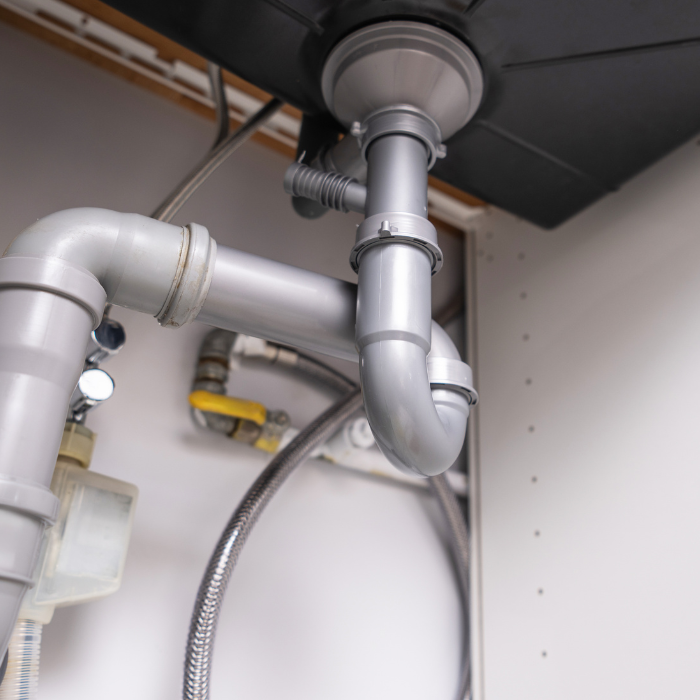
What Causes a Sewer Smell in the House?
A sewer smell in your home is almost always sewer gas escaping through a gap in your plumbing system. The most common culprits are dry P-traps, failed toilet seals, blocked vent pipes, and clogged or cracked sewer lines.
Your drain system is designed to carry waste away and keep gases out of your living space. It does this with water barriers, called traps, plus sealed connections and vent pipes that release gas safely above the roof. When any part of that system fails, sewer gas finds its way indoors.
Sewer gas is a mix of compounds produced as waste breaks down. The main ones are hydrogen sulfide, which causes the rotten egg smell, methane, and ammonia.
Standout fact: According to OSHA, people can detect hydrogen sulfide at extremely low concentrations, which is why even a small leak can make an entire room smell.
Is Sewer Gas Dangerous?
In the small amounts typical of a household odor, sewer gas is mostly a nuisance, but ongoing exposure can cause headaches, nausea, dizziness, and fatigue. A strong or persistent smell should never be ignored.
The bigger concern is what the smell represents. An open path for sewer gas can also let in moisture, bacteria, and even pests. Methane is flammable in high concentrations, though that’s rare in a typical home.
Sewer Gas vs. Natural Gas Leak: How to Tell the Difference
Natural gas companies add an odorant that also smells like rotten eggs, so it’s easy to confuse the two. Ask yourself these questions:
- Is the smell strongest near drains, toilets, or floor vents? It’s likely sewer gas.
- Is it strongest near your stove, water heater, furnace, or gas meter? Treat it as a possible gas leak.
- Do you hear hissing near a gas line or appliance? Treat it as a gas leak.
If you suspect a natural gas leak, leave the home right away. Don’t flip switches or use your phone indoors, and call SoCalGas and 911 from outside.
7 Common Causes of Sewer Smell and How to Fix Each One
1. Dry P-Trap in an Unused Drain
Where you’ll notice it: guest bathrooms, basement or garage floor drains, laundry sinks, and showers that rarely get used.
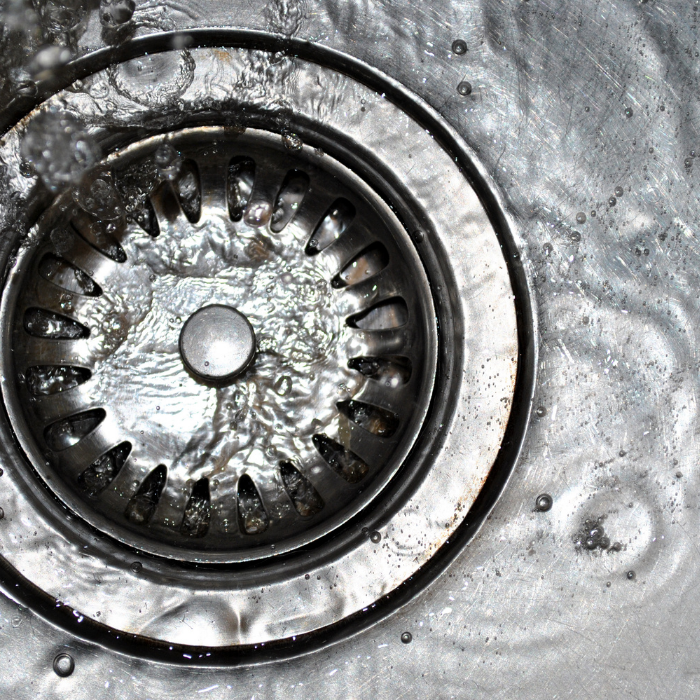
Every drain has a curved section of pipe called a P-trap that holds a few inches of water. That water forms a seal that blocks sewer gas. If a drain goes unused for weeks, the water evaporates and the seal disappears.
The fix: Run water down the drain for about 30 seconds. For floor drains that sit unused for long stretches, add a tablespoon of mineral oil after refilling, which slows evaporation. If the smell comes back within a day or two, the trap may be cracked or draining out, and that needs a plumber.
2. Broken Toilet Wax Ring Seal
Where you’ll notice it: around the base of the toilet, often with a faint smell after flushing.
A wax ring seals the toilet to the drain flange in the floor. Over time, or after the toilet has been rocked or reset, that seal can break. Sewer gas then escapes from the gap, and you may also see water stains or soft flooring around the base.
The fix: Check whether the toilet rocks when you push on it gently. If it does, or the floor around it is discolored, the wax ring needs replacing. That means removing the toilet, installing a new ring, and checking the flange for damage.
DIY or pro? Handy homeowners can do it. Call a plumber if the flange is cracked or the subfloor feels soft.
3. Clogged or Damaged Plumbing Vent Stack
Where you’ll notice it: in several rooms at once, often along with gurgling drains or slow toilets.
Your plumbing vent runs up through the roof. It lets sewer gas escape outdoors and keeps air pressure balanced so water stays in your traps. When leaves, debris, bird nests, or a damaged pipe block the vent, drains can siphon water out of the traps, and the gas has nowhere to go but inside.
The fix: A plumber can inspect the vent from the roof and clear the blockage with a snake or water. Avoid climbing onto the roof yourself if you’re not comfortable with it.
DIY or pro? Pro is recommended.
Quick tip: If your drains gurgle when you flush the toilet, a blocked vent is one of the first things to check.
4. Biofilm Buildup in Sink Drains and Overflows
Where you’ll notice it: bathroom sinks, especially the small overflow hole near the top of the basin.
Soap scum, hair, toothpaste, and skin cells build up inside drains and overflow channels. Bacteria feed on that slimy layer, called biofilm, and produce a smell very similar to sewer gas. In this case the odor isn’t coming from the sewer at all; it’s coming from the drain itself.
The fix: Remove the sink stopper and clean it. Scrub the drain opening and overflow with a small brush. Then pour in half a cup of baking soda followed by a cup of white vinegar, wait 15 minutes, and flush with hot water. Repeat monthly as maintenance.
DIY or pro? DIY.
5. Loose or Missing Sewer Cleanout Cap
Where you’ll notice it: outside near the foundation, in the garage, or in a utility area.
A sewer cleanout is a capped pipe that gives plumbers direct access to your main sewer line. If the cap is cracked, loose, or missing, sewer gas escapes freely. A smell near this spot, especially outdoors, is a strong clue.
The fix: Locate the cleanout, usually a short pipe with a threaded cap, and tighten or replace the cap. Replacement caps are inexpensive and available at most hardware stores.
DIY or pro? DIY, unless the pipe itself is damaged.
6. Clogged Main Sewer Line
Where you’ll notice it: smells that come and go, along with slow drains in several fixtures, gurgling, or water backing up into a tub or shower.
When your main sewer line is partly blocked, waste sits in the pipe instead of flowing to the city sewer. Gas builds up and pushes back through your drains. Common causes include grease, wipes, and tree roots.
The fix: A professional will clear the line with a mechanical auger or hydro jetting, then run a camera through it to confirm the cause. Store-bought chemical drain cleaners rarely reach a main line clog and can damage older pipes.
DIY or pro? Pro.
Warning sign: When more than one drain is slow at the same time, the problem is almost always in the main line, not the individual fixtures.
7. Cracked or Broken Sewer Pipe
Where you’ll notice it: a persistent smell indoors or in the yard, sometimes with soggy patches, unusually green grass, or sewage odor near the foundation.
Older homes often have cast iron, clay, or Orangeburg sewer pipes that crack, corrode, or collapse over time. Tree roots and ground movement make it worse. A broken pipe lets gas and waste escape into the soil, and that can work its way into your home.
The fix: A sewer camera inspection pinpoints the location and extent of the damage. Depending on the condition, repair options range from a spot repair to trenchless lining or full replacement.
DIY or pro? Pro, always.
Why Does My Bathroom Smell Like Sewer but Only Sometimes?
A sewer smell that comes and goes usually points to a partially blocked vent, a drain that’s slowly losing its trap water, or a seal that only leaks when the toilet is used.
Weather can play a role too. Changes in air pressure, wind direction across the roof vent, and heavy rain can all affect how gas moves through your system. Pay attention to when the smell shows up, such as after flushing, after a shower, or on windy days. That pattern is a valuable clue for you or your plumber.
How to Find the Source of a Sewer Smell: Quick Checklist
Work through this list in order:
- Run water in every drain, especially in rooms you rarely use.
- Check each toilet for rocking, cracks, or staining at the base.
- Clean bathroom sink drains and overflows.
- Inspect the cleanout cap outside or in the garage.
- Listen for gurgling when you flush or drain the tub.
- Watch for slow drains in more than one fixture.
- Walk the yard above your sewer line, looking for wet spots or strong odors.
If you’ve worked through the list and the smell persists, it’s time for a professional diagnosis. A camera inspection can find hidden cracks, blockages, and vent problems without opening walls or digging.
When to Call a Plumber for Sewer Odor
Some sewer smells are an easy weekend fix. Others are early warnings of bigger, more expensive problems.
Call a licensed plumber if you notice any of these:
- The smell returns after you’ve refilled traps and cleaned drains
- Several drains are slow or gurgling
- Sewage backs up into a tub, shower, or floor drain
- You see wet patches or sinkholes in the yard
- Your home is older and has never had a sewer inspection
Catching sewer line problems early can save you from water damage, health hazards, and costly emergency repairs. Professional sewer line repair and drain cleaning addresses the root cause instead of masking the odor.
Worth remembering: Air fresheners and candles hide a sewer smell; they never solve it. If the odor keeps coming back, the problem is still there.
Key Takeaways
- A sewer smell in the house means sewer gas is escaping through a gap in your plumbing system.
- Dry P-traps are the most common and easiest cause to fix. Just run water through unused drains.
- Toilet wax rings, sink biofilm, and loose cleanout caps are usually simple, low cost repairs.
- Gurgling drains, slow fixtures, or backups suggest a vent or main sewer line problem that needs a professional.
- A rotten egg smell near gas appliances could be a natural gas leak. Leave the house and call the gas company and 911.
- A sewer camera inspection is the most reliable way to diagnose hidden pipe damage.
Get Rid of That Sewer Smell for Good
A sewer smell in the house is never something to live with. Start with the simple checks: refill your traps, inspect your toilets, and clean your drains. If the odor lingers, or you’re seeing slow drains and gurgling, the problem is likely deeper in your system.
Pedro’s Plumbing has helped homeowners and businesses in Pico Rivera and nearby Los Angeles County communities for over 25 years. Our licensed team offers same day service, honest recommendations, and clear explanations of every repair. If you need a trusted plumber in Pico Rivera, call us at
(562) 413-0093 or request a free plumbing estimate today.
Recent Posts